How to set up a chore wheel kids won't argue with
By Arhum Waheed · Published · Updated
If you have more than one child, you already know the problem with chores isn't the chores. It's the fairness. "Why does she always get the easy one?" "I did the bins last week!" A chore chart you fill in yourself turns you into the judge, and every assignment is a ruling someone can appeal.
A chore wheel moves the decision from you to the wheel. Kids still complain, because they're kids. But they complain at the wheel, which is a big improvement. And with a couple of tweaks, it can be genuinely fair, not just look fair.
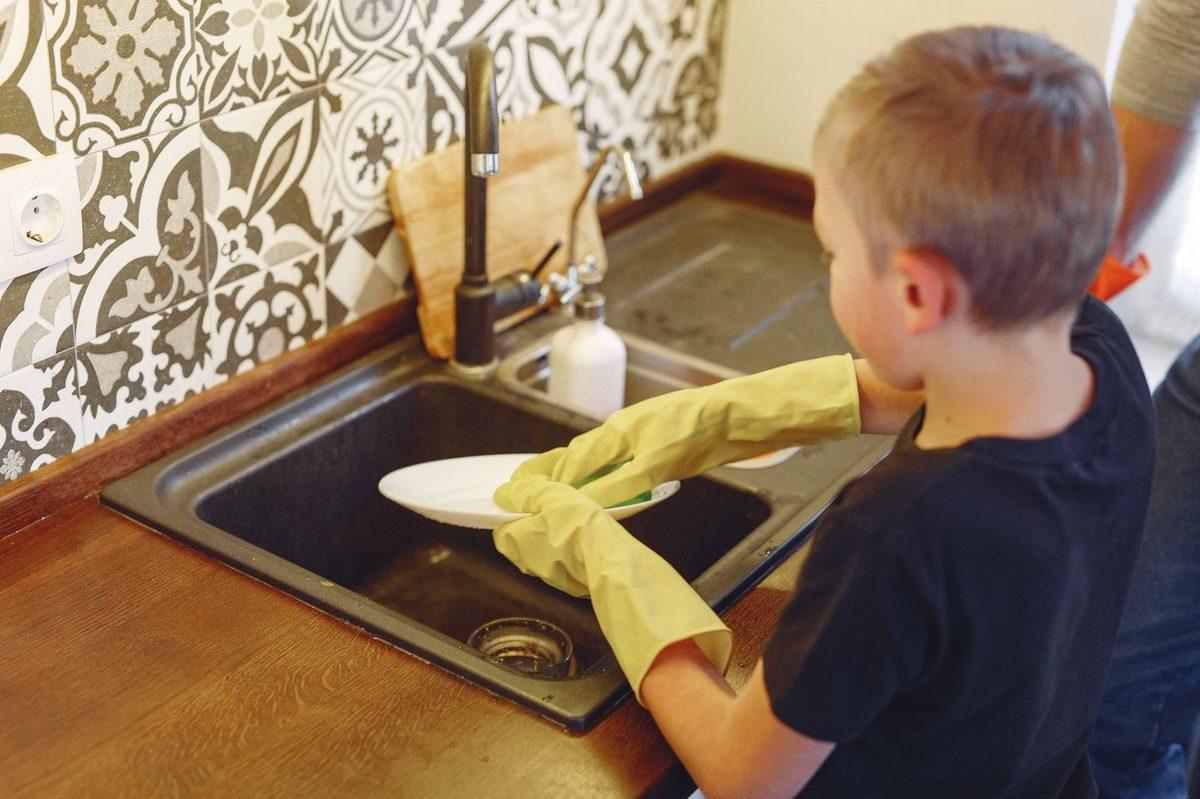 Photo: Pexels (Pexels License).
The catch with chore wheels
Every slice on a spinner wheel has the same chance. That's good for fairness between kids. It's bad if the slices aren't equal work.
Put "feed the cat" and "clean the bathroom" on the same wheel and a kid who lands the bathroom twice in a row is going to be furious, and honestly, they have a point. Two minutes versus forty minutes isn't a fair coin.
So the most important step happens before you spin anything: make every slice roughly the same amount of effort.
Step 1: List the chores by age
Here's a rough starting point. Every child's different, so move things around.
Ages 4–6: put toys away, feed a pet (with help), set the table, match socks, water plants, wipe the table.
Ages 7–9: empty the dishwasher, sort recycling, make their bed, sweep a room, fold towels, help pack lunches.
Ages 10–12: vacuum, take out the bins, load the dishwasher, clean the bathroom sink, help cook one meal, hang laundry.
Ages 13+: clean the bathroom, mow the lawn, do a load of laundry start to finish, cook a simple dinner, wash the car.
If your kids are far apart in age, you'll want separate wheels, or bundles that mix easy and hard tasks so the youngest can do their share.
Step 2: Bundle chores into equal slices
This is the trick that makes the wheel fair. Instead of one chore per slice, combine small jobs into bundles that each take about the same time.
For a household with kids aged 7, 10 and 13, a weekly set might look like this:
- Kitchen crew: empty the dishwasher every morning, wipe the counters after dinner.
- Trash and recycling: take out bins on collection night, sort recycling, put new bags in.
- Laundry helper: fold and put away towels, match socks, bring baskets down.
- Table and tidy: set and clear the table for dinner, tidy the living room before bed.
Four bundles, each maybe 15–20 minutes a day. Now a spin can't land anyone a job that's three times harder than their sibling's.
Got a chore so unpopular that nobody wants it, like the bathroom? Make it its own bundle and pair it with a perk: "Bathroom + you pick Friday's movie."
 Photo: Pexels (Pexels License).
Step 3: Decide how you'll spin
There are two ways to run it, and they feel different to kids.
Option A: Spin the chores
Each child spins the spinner wheel once to see their bundle for the week. Type your bundles one per line, then switch on Remove winner after spin so each bundle can only be given out once. First child spins, gets "Kitchen crew," and that slice leaves the wheel. The next child spins from what's left.
Kids love pressing the button themselves. It feels like a game, and nobody can claim you chose for them.
Option B: Spin the kids
Put the children's names on the random name picker, keep remove winner on, and read out the bundles one at a time: "Kitchen crew is… Trash and recycling is…" Each name leaves the wheel once picked, so nobody gets two bundles.
This version works when you have about as many bundles as kids (or fewer), because remove winner takes each name off once and then the wheel is empty. Use it when you want to control the order, for example reading out the least popular bundle first. If you have more bundles than kids, spin the chores instead (Option A) so every bundle can still be assigned.
Step 4: Rotate so nobody gets stuck
Pure random means a child could land the same bundle three weeks in a row. That's fair in the long run but miserable in the short run, and seven-year-olds don't care about the long run.
A simple fix: don't put last week's bundle on that child's spin. Before they spin, temporarily delete the bundle they had last week, then add it back for the next child. It takes ten seconds and ends the "again?!" complaints.
Or skip spinning every week. Spin once at the start of the month to set the rotation order, then rotate through it: week 1 as spun, week 2 everyone moves down one bundle, and so on. Random start, predictable after that.
Step 5: Add a swap rule
Life happens. Soccer practice moves to the night the bins go out. A swap rule saves a lot of negotiating:
- Kids can swap bundles with each other if both agree.
- Swaps have to be agreed before the chore's due, not after it's skipped.
- Each child gets one "parent swap" a month, where you take a chore off their hands. Use it sparingly and it feels like a gift.
A worked week for three kids
Mia (13), Leo (10) and Sam (7). Four bundles from step 2, plus "Bathroom + movie pick" on the weekend.
Sunday evening: Load the four weekday bundles on the spinner wheel with remove winner on. Leo had Trash last week, so delete that line before his turn.
- Mia spins: Laundry helper. It leaves the wheel.
- Leo spins (Trash temporarily removed): Kitchen crew. Add Trash back.
- Sam spins: Table and tidy.
- Trash and recycling is left over. House rule, agreed before anyone spun: the leftover bundle is a parent's job that week. (Kids find this deeply satisfying.)
Saturday: Bathroom + movie pick. Put the three names on the name picker and spin once. Sam lands it, so Sam does the sink and the mirror with help, and picks the movie.
Write the week on the fridge. The wheel doesn't keep a history, and a list on paper settles "but I did that last week" faster than any argument.
Tips from the fairness department
Spin together. Sunday evening, everyone at the table, everyone watching. Spinning on your own and announcing results brings the suspicion right back.
Keep the wheel's list on one device. Your list stays in the browser, so it's there next Sunday. If both parents want it, press Copy share link and send it to the other one.
Don't use the wheel for punishments. "Spin to see your punishment" turns a fair tool into a scary one. Keep it for normal jobs.
Praise finishing, not just starting. The wheel handles who does what. You still have to notice when they actually do it.
Frequently asked questions
How do I make a chore wheel fair for kids of different ages?
Bundle chores so every slice is about the same effort for the child likely to get it. If ages are far apart, use separate wheels, or create bundles that mix one harder task with an easy one.
Can I make an online chore wheel for free?
Yes. Type your chores or bundles one per line on the spinner wheel and spin. It's free, there's no account, and your list stays in your browser for next week.
How do I stop the same chore coming up twice?
Switch on remove winner after spin. Each chore leaves the wheel once it's picked, so every child gets a different one. Paste the full list back in next week.
Should we spin chores every day or every week?
Weekly is usually easier. Kids know their jobs for seven days, and you avoid a daily argument. Younger kids sometimes enjoy a daily spin for one small extra job.
What if my kids still argue about the result?
Agree the rules before the spin: swaps only if both agree, and leftover bundles go to whoever you decided in advance. Arguments mostly happen when rules get made up after the result.